
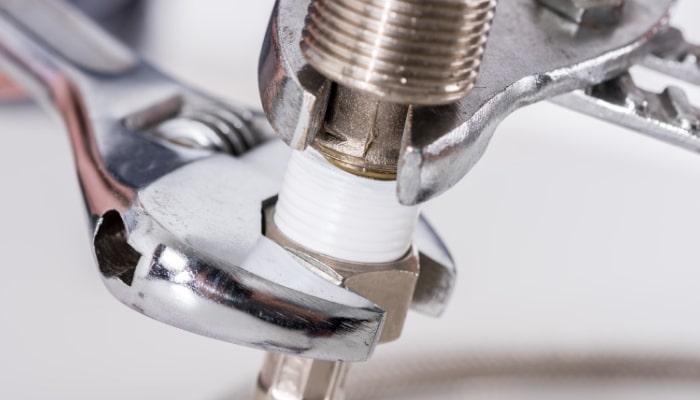
When a sudden cold snap hits central Alabama, it doesn’t take long for pipes to freeze and for panic to set in. One moment your water’s running fine, the next, nothing but silence. If you’re facing frozen pipes, you don’t need to panic or rush to call a plumber in Birmingham, AL, just yet.
A few careful steps can help protect your home, prevent bursts, and spot early leaks before they become disasters. Whether you’re in Birmingham or the surrounding areas, knowing what to do right now can save you from major damage and costly repairs.
Why Frozen Pipes Happen in Central Alabama
It’s easy to assume that frozen pipes are only a northern problem, but Birmingham homeowners know that even a brief overnight freeze can cause major issues. When temperatures drop below 32°F, water inside exposed or poorly insulated pipes begins to solidify. As the ice expands, it creates pressure strong enough to crack pipes, metal or plastic lines, leading to leaks once everything thaws.
According to Risk & Insurance, even a small freeze can lead to thousands in damage within hours. Pipes can freeze at temperatures as high as 20°F, especially in:
- Crawlspaces and basements.
- Outdoor hose bibs.
- Attic plumbing lines.
- Older homes with aging insulation.
- Commercial buildings with exposed service lines.
When those pipes burst, the result isn’t just a plumbing issue, it can mean flooded floors, warped wood, ruined drywall, and serious mold growth. A single burst pipe can release up to 250 gallons of water per day, according to FEMA. That’s why knowing what to do before calling a Birmingham, AL plumber matters.
Immediate Steps Every Homeowner Should Take
If you suspect your pipes are frozen, act fast but stay calm. Here’s what to do right away:
- Shut off your main water supply. This stops pressure from building up in frozen sections and prevents a full burst.
- Open your faucets. Even a small trickle relieves pressure and gives melting ice a place to go.
- Locate the frozen section. Look for pipes with frost buildup, bulging spots, or areas with no water flow.
- Inspect exposed lines first. Start with pipes in crawlspaces, basements, attics, and exterior walls.
Safety First
Never use open flames, propane torches, or ovens to thaw frozen pipes. The National Fire Protection Association (NFPA) warns that this is a major fire hazard and can cause pipes to explode. Avoid hitting or “tapping” pipes to loosen ice, too, it can cause small cracks you won’t notice until it’s too late.
If you notice strange noises (like gurgling or banging), don’t ignore them. These sounds can signal that a pipe is about to burst. Take photos of any early damage or leaks; frozen pipe bursts are among the most common home insurance claims, and documentation helps with your case later.
Safe DIY Pipe Thawing Tips
Once you’ve taken the right precautions, you can start carefully thawing pipes. The key is slow and steady heat. Here’s how:
- Use a hair dryer or heat gun (on a low setting).
- Wrap pipes with warm towels or heating pads.
- Place a space heater nearby, but never leave it unattended.
- Start near the faucet and work back toward the frozen area so melted water can flow out.
Slow heat allows the ice to melt evenly without sudden pressure buildup that could crack the pipe. Keep faucets slightly open throughout the process.
Different materials react differently:
- PEX pipes are flexible and can handle freezing better than copper.
- Copper and galvanized steel pipes are more prone to splitting. Knowing which type you have helps determine how cautious you need to be.
If thawing reveals cracks, leaks, sizzling noises, or water spraying, stop immediately. It’s time to call a Birmingham plumbing service, the damage is likely beyond a safe DIY fix.
Check for Leaks, Hidden Damage, and Pressure Problems
Once the water starts running again, take a few minutes to check your entire system for leaks or weak spots.
- Turn your water back on slowly to avoid sudden pressure changes.
- Inspect under sinks, in crawlspaces, around your water heater, supply lines, and outdoor hose bibs.
- Look for dripping, puddles, or damp spots on floors and walls.
Even a small crack can cause major issues once full water pressure returns. According to FEMA, a 1/8-inch crack in a pipe can release up to 250 gallons of water per day, enough to flood entire rooms.
If you notice a leak, you can wrap it temporarily with pipe tape, place a bucket underneath, and shut off the nearest valve. Then, dry any standing water immediately to avoid mold or mildew growth.
Remember, leaks may not appear right away. Tiny hairline cracks can take hours to expand once thawed, especially in copper pipes. And water intrusion can lead to mold, structural damage, or even electrical hazards if left untreated.
When to Stop DIY and Call a Plumber in Birmingham, AL
There’s a fine line between a quick DIY thaw and a full plumbing emergency. Here’s when you should stop and bring in the experts:
- Active leaks or water spraying from pipes.
- Frozen pipes you can’t access (behind walls or ceilings).
- Loss of water pressure after thawing.
- Previous plumbing repairs or older pipe systems.
- Repeated freezing issues indicate insulation problems.
A professional plumber in Birmingham, AL can use advanced tools like thermal imaging, pipe cameras, and pressure tests to locate problems without tearing open walls. They can repair or replace damaged sections quickly and according to the Alabama Plumbing Code.
At Pro Services LLC, we respond fast to plumbing emergencies of any size. As an emergency plumber in Birmingham, AL, our team handles everything from leak detection to complete repipes with precision and care.
Preventing Frozen Pipes in Birmingham: Practical Strategies
Preventing frozen pipes starts with a few simple steps that make a big difference:
- Insulate exposed plumbing in attics, basements, and crawlspaces.
- Seal air leaks around doors, windows, and pipe penetrations.
- Drip faucets during freezes to keep water moving continuously.
- Install frost-proof outdoor spigots and disconnect hoses.
- Upgrade to PEX piping for greater freeze resistance.
Many homes in Birmingham’s older neighborhoods have above-ground or crawl-space plumbing that’s especially vulnerable to cold. Regular inspections by a Birmingham plumbing service can identify weak spots and help you avoid future emergencies.
From Leaks to Repipes: One Call Handles Your Entire Plumbing System
When your plumbing freezes, leaks, or just isn’t working properly, one call to Pro Services LLC connects you to a locally owned team that’s ready to help 24/7. We handle everything from emergency plumbing repair in Birmingham to long-term system upgrades.
Our licensed, certified technicians use advanced tools, durable materials, and years of hands-on experience to restores your comfort both quickly and efficiently. Whether you need commercial plumbing in Birmingham, AL, emergency repairs, or help improving your home’s plumbing performance, we’re ready when you need us.
Call us at 205-966-9463 or schedule your service online for expert consultation and appointments with a trusted Birmingham plumber. We’ll help you protect your home, your comfort, and your peace of mind all year long.